For Sale
AED 135M
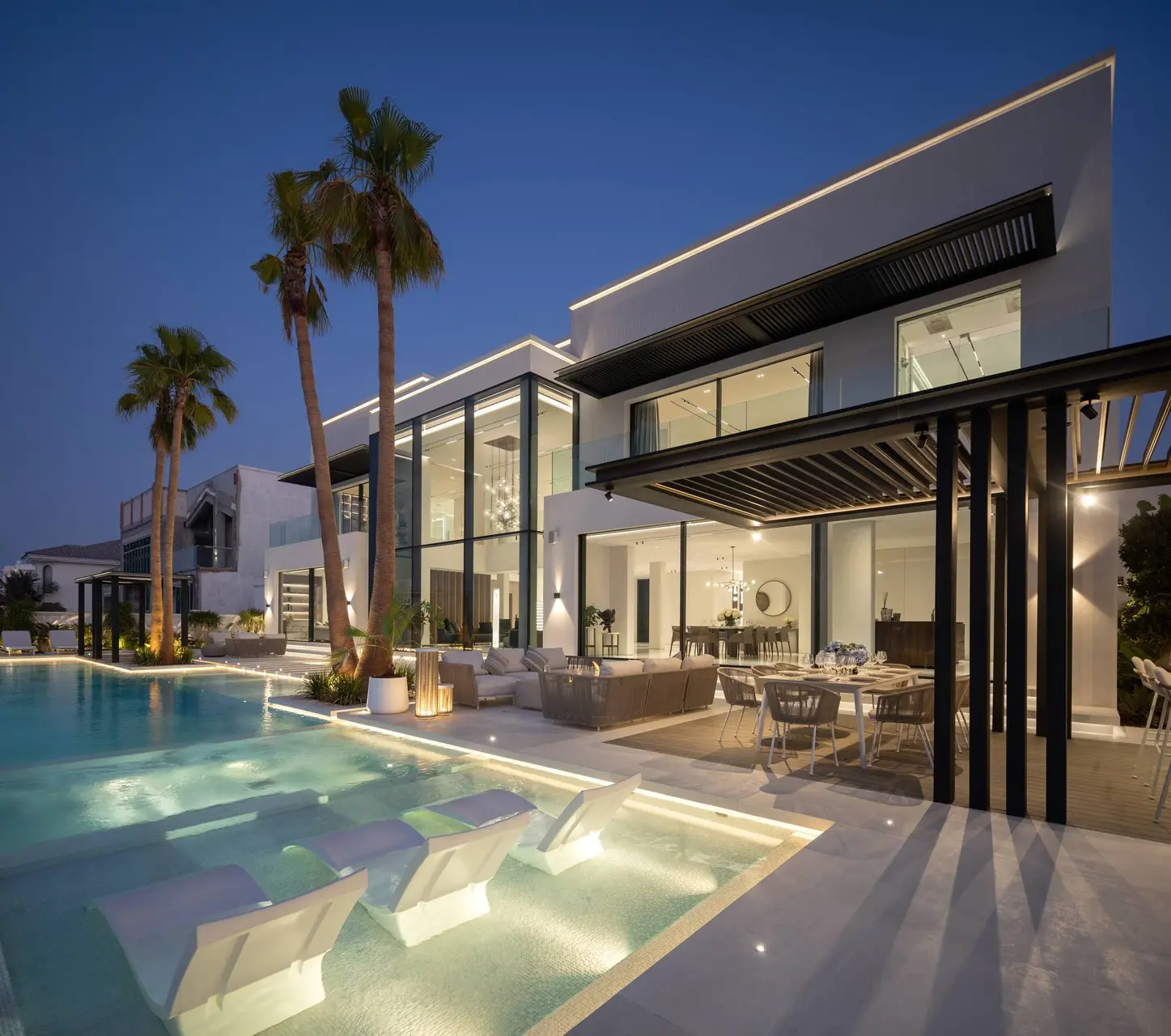
Six-Bedroom Beachfront Villa, Frond A
Frond A, Palm Jumeirah
Listed 26 days ago
6-bedroom villa in the sought-after Frond A, Palm Jumeirah. Spanning 9,100 sqft. Sea, private beach views.
6 BR9,100 sqft
Palm Jumeirah is a man made island off the Jumeirah coast, laid out as a trunk, a set of fronds branching from it, and a breakwater Crescent wrapping the whole thing. The shape is the plan: the fronds carry villas that each back onto their own stretch of sand, the trunk carries the apartment buildings and retail, and the Crescent carries the resorts.
The residential mix follows that geography. On the fronds are detached villas, including the Signature Villas and the Garden Homes, most with private beach frontage and a view across the water to the next frond. The trunk runs inland from Palm Gateway and holds Shoreline Apartments, Oceana, Tiara and The Palm Tower with its St. Regis branded residences. The Crescent is where the hotel residences sit, at Atlantis, Anantara, Raffles, One&Only and The Royal Atlantis.
Day to day life is resort shaped. Nakheel Mall sits at the centre of the trunk with a supermarket, cinema and clinics, The View at The Palm looks back down the island from the top of The Palm Tower, and Aquaventure at Atlantis anchors the Crescent. The Boardwalk runs the outer edge of the Crescent as a public walkway. The Palm Monorail carries the trunk from Palm Gateway to Atlantis and meets the Dubai Tram at the mainland end, though most residents drive: the trunk road is the way on and off the island, and a tunnel under the marina links the trunk to the Crescent.
The island is quieter than it looks from the outside. The frond streets are dead ends with no through traffic, the beaches attached to the villas are private, and the crowds concentrate on the Crescent and around the mall. Buyers and tenants come here for beach frontage inside the city rather than for proximity to an office district; Dubai Marina and Dubai Media City are a short drive through Al Sufouh, which is also the route to Sheikh Zayed Road.
Median price / sqft
AED 2,826
Median sale price
AED 4.65M
Transactions
972
Recorded sales, trailing 12 months to August 2026. Source: Dubai Land Department. Medians across 972 transactions.
AED 135M
Frond A, Palm Jumeirah
Listed 26 days ago
6-bedroom villa in the sought-after Frond A, Palm Jumeirah. Spanning 9,100 sqft. Sea, private beach views.
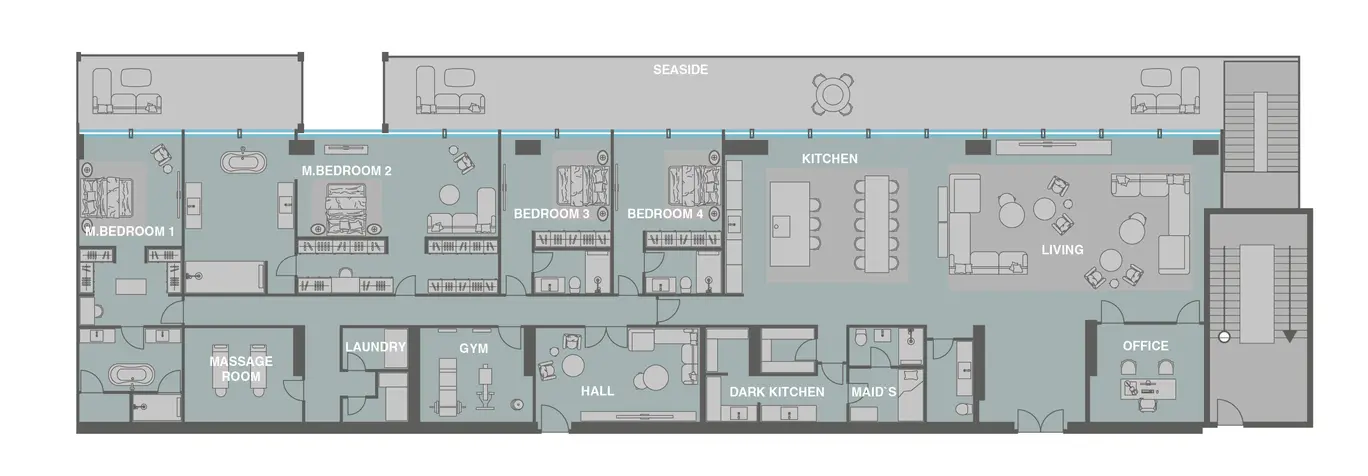
AED 67M
Six Senses Residences the Palm, Dubai, Palm Jumeirah
Listed 7 days ago
Four-bedroom apartment in the sought-after Six Senses Residences the Palm, Palm Jumeirah. Spanning 10,764 sqft. Sea & ain dubai views.
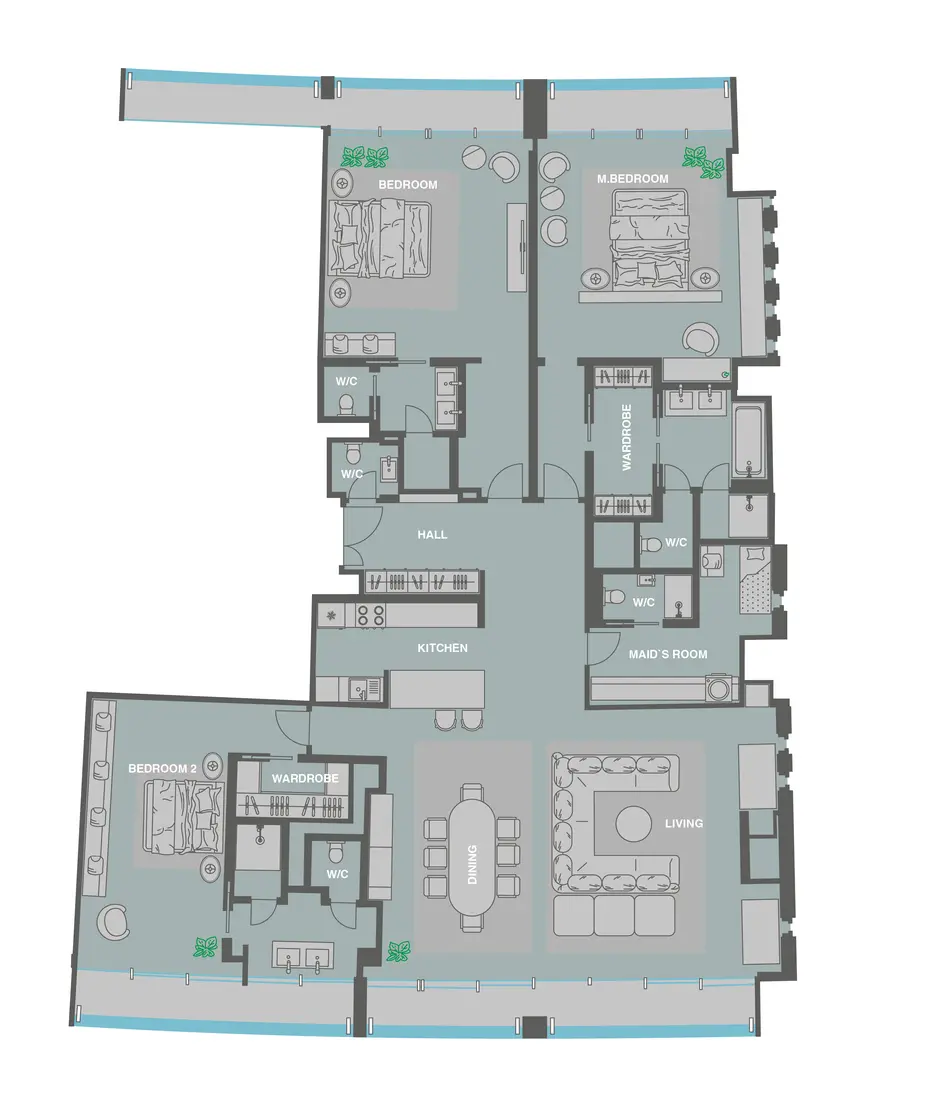
AED 38M
The Royal Atlantis,resort and Residences, Palm Jumeirah
Listed 7 days ago
Three-bedroom apartment in the sought-after The Royal Atlantis Resort & Residences, Palm Jumeirah. Spanning 3,498 sqft. Palm & sea views.
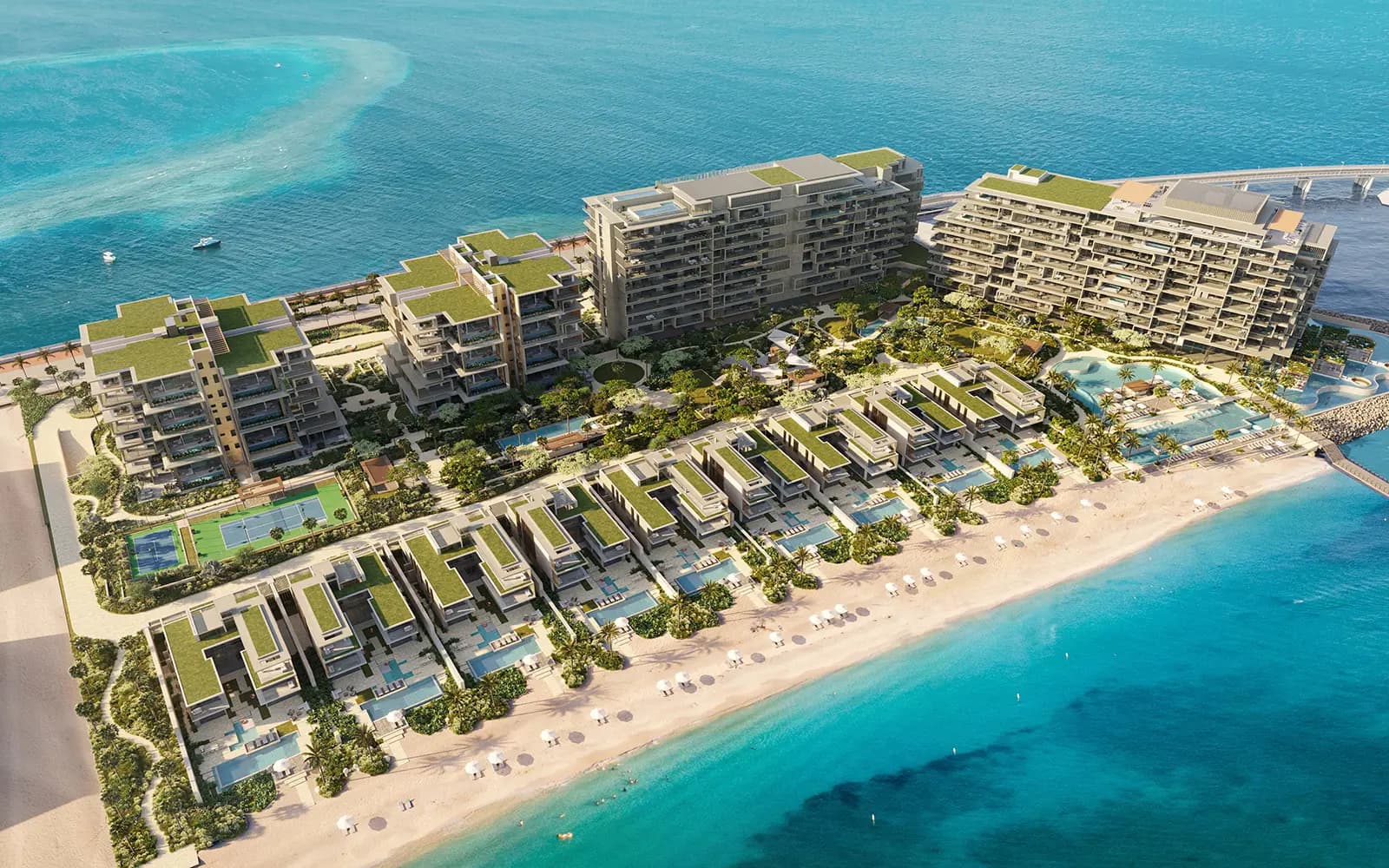
AED 23.5M
Six Senses Residences the Palm, Dubai, Palm Jumeirah
Listed 7 days ago
Three-bedroom penthouse in the sought-after Six Senses Residences the Palm, Palm Jumeirah. Spanning 4,090 sqft. Sea & palm views.